What Is Cirugía Capilar and How Is It Different from Other Hair Treatments?
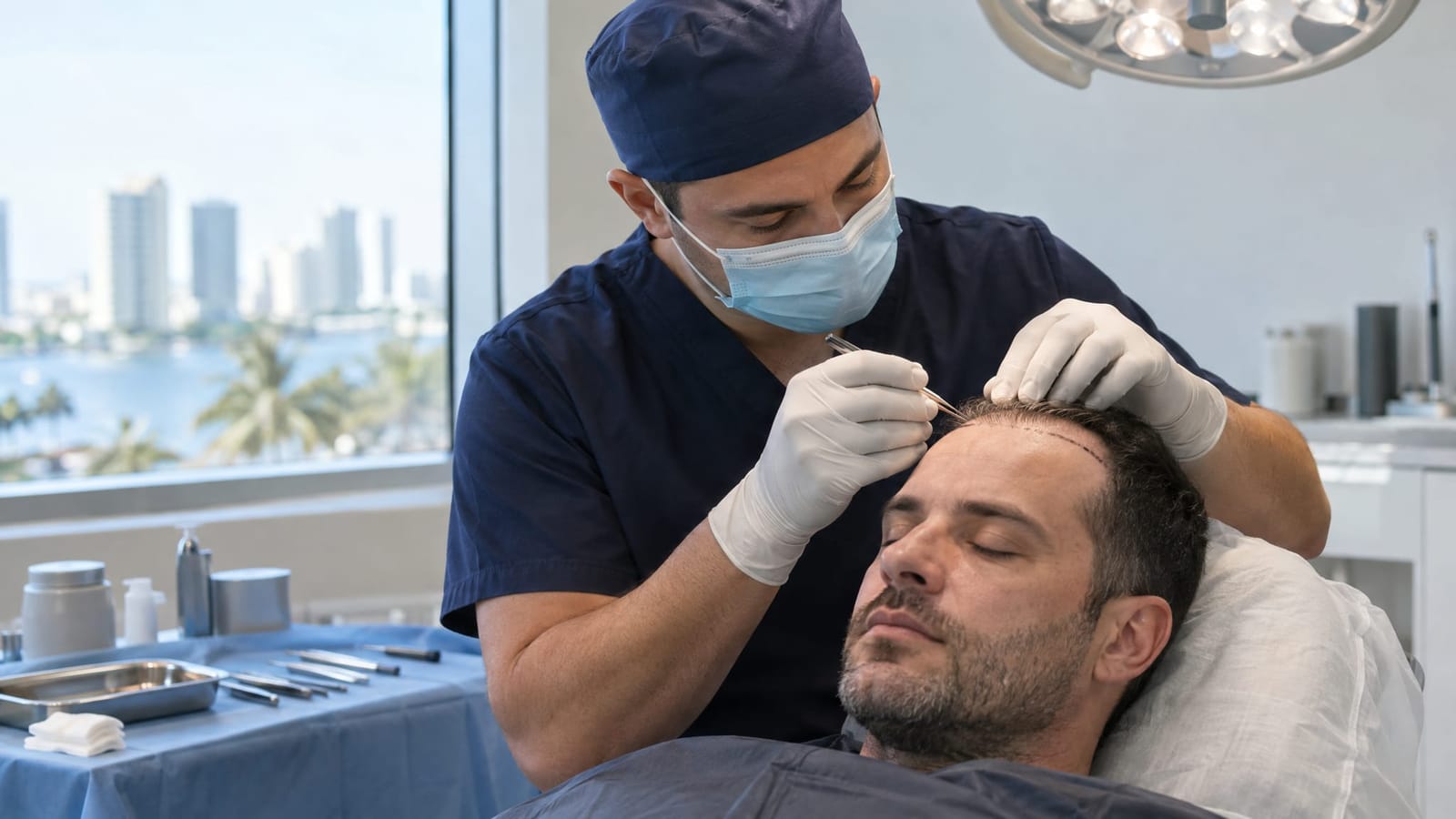
In a salon setting, cirugía capilar is a name used for an intensive hair-smoothing treatment, typically intended to reduce frizz, improve shine, and make styling easier. Despite its literal translation, “hair surgery,” it does not involve surgery, scalp incisions, or hair transplantation.
If you are comparing cirugía capilar in Miami, the most important distinction is the formula, not the name. Cirugía capilar, keratin treatments, and hair Botox can have overlapping goals, but they are not interchangeable. The product’s ingredients, application method, heat requirements, and effect on your natural texture determine which option fits your hair.
Cirugía Capilar vs. Keratin vs. Hair Botox
These names describe broad treatment categories rather than one universal recipe. Use this comparison as a starting point, then compare the specific products involved.
| Treatment | Main focus | Important tradeoff | Key question |
|---|---|---|---|
| Cirugía capilar | Usually marketed for a smoother, shinier finish and easier styling. | Some formulas aim for substantial texture reduction, not just softer hair. | Is this formula intended to reduce frizz, loosen curls, or create a straighter result? |
| Keratin treatment | Generally focused on smoothing and manageability. | The presence of keratin does not explain the entire smoothing mechanism or predict how much texture will change. | How does this particular treatment affect natural wave, curl, and volume? |
| Hair Botox | Commonly positioned as a conditioning treatment for softness and a smoother appearance. | The name does not guarantee a conditioning-only formula or preservation of every curl. | Is this primarily conditioning, or does it also have a straightening effect? |
Hair Botox does not mean injectable Botox. It is a cosmetic service name. Likewise, a treatment described as “repairing” does not necessarily straighten hair, and a straighter finish does not prove that damaged hair has been restored.
What These Treatments Actually Do to Hair
The visible hair shaft is made largely of keratin protein. Its outer cuticle affects how smoothly strands slide past one another and how evenly they reflect light. Conditioning ingredients can coat or lubricate the fiber, reducing friction and improving softness and shine.
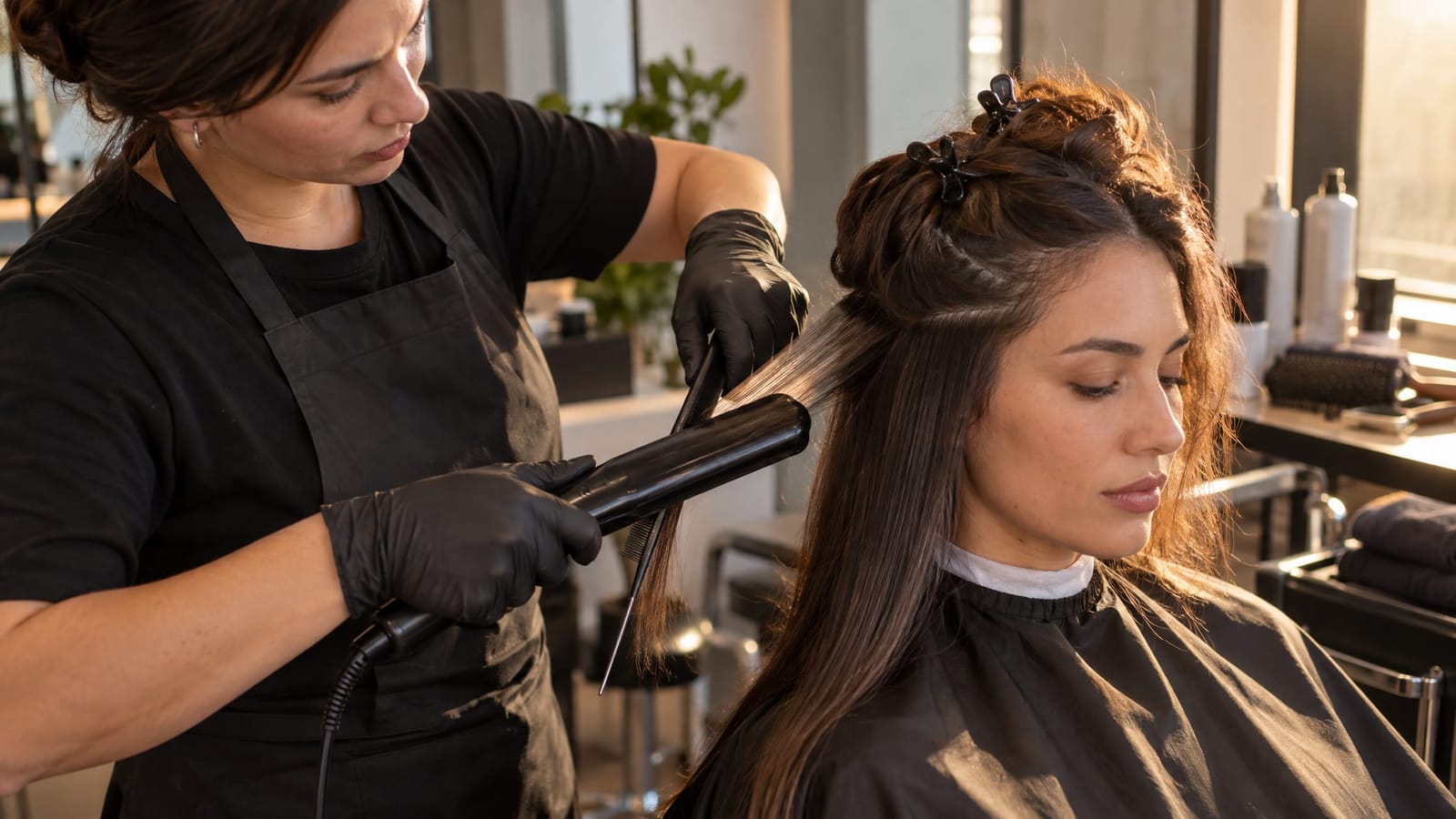
More intensive smoothing depends on the formula’s chemistry and processing method. Added keratin alone does not explain a lasting change in texture. Heat also creates temporary shape changes, so a freshly flat-ironed finish does not show exactly how the hair will air-dry after washing.
Hair is a nonliving fiber, so “repair” is different from healing skin. Treatments can improve its condition and appearance, but they do not return heavily processed hair to its original state. Split ends may look smoother temporarily; trimming removes the split portion.
How a Cirugía Capilar Appointment Generally Works
There is no single application sequence for every product sold under this name. The product instructions govern preparation, processing, rinsing, and heat use. A typical appointment involves these stages:
- Hair assessment. The stylist reviews your natural texture, desired finish, and previous bleaching, coloring, relaxing, or smoothing. Fragile ends may respond differently from newer growth.
- Preparation. Hair is cleansed or prepared as the formula requires. Preparation is not identical across all smoothing services.
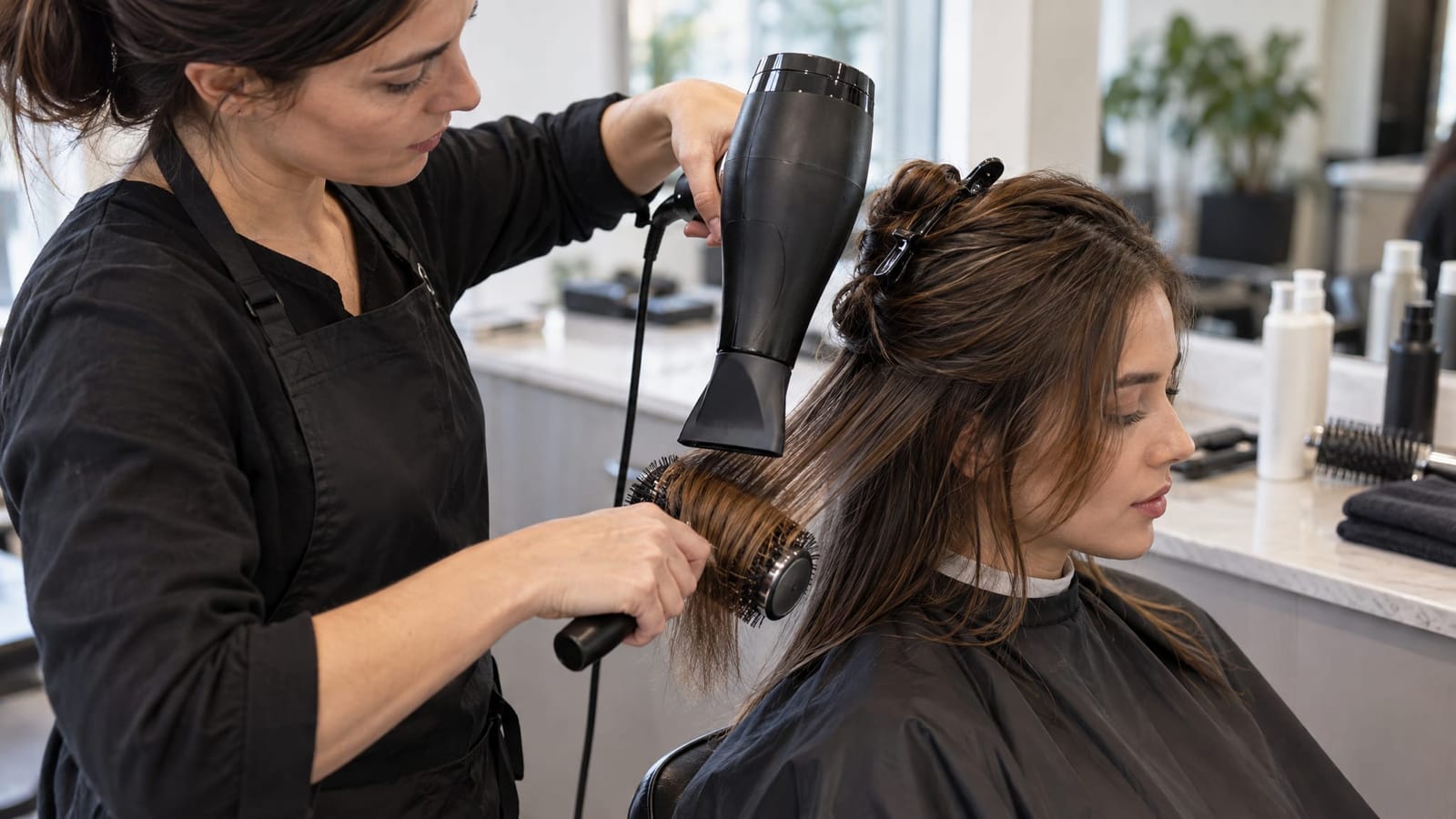
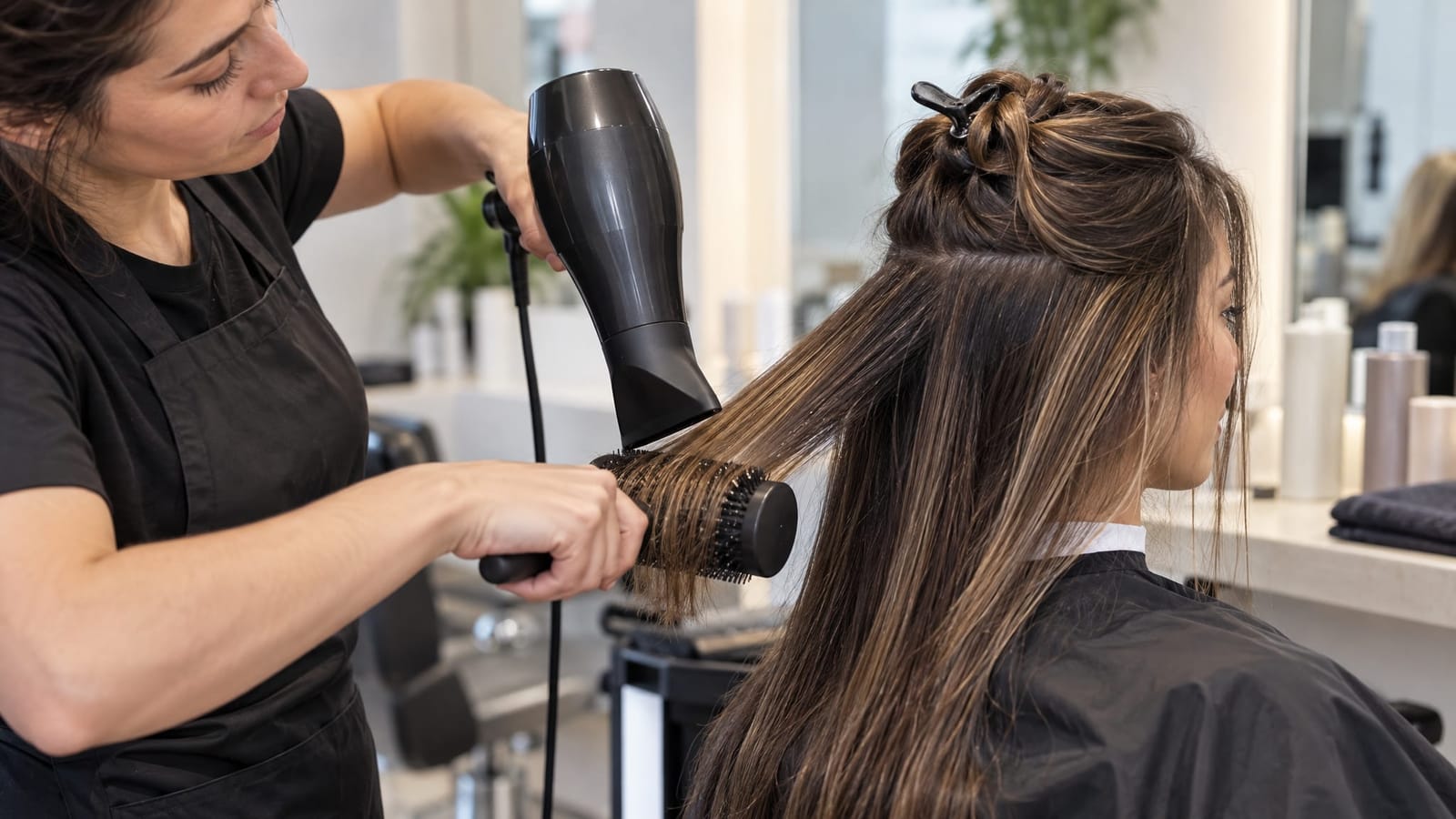
- Sectioned application and processing. The product is distributed according to its instructions, with attention to the condition of different areas.
- Rinsing and finishing. Rinse timing, drying, and any flat-ironing depend on the specific system. More heat is not automatically better.
- Aftercare guidance. Washing timing, suitable products, and maintenance are explained for that treatment rather than borrowed from another service.
Chemical processing and repeated high heat can damage fragile hair. A strand test helps assess how a small section responds before broader application. For ingredient allergies or scalp health concerns, a licensed healthcare professional can assess your individual situation.
Choose by the Result You Want to Keep
The best comparison starts with what you want to change, and what you do not want to lose.
- You want softer curls without a straighter shape. Prioritize conditioning and clarify whether a proposed smoothing formula changes curl pattern. “Frizz control” and “curl preservation” are separate goals.
- You want less puffiness and easier blow-drying. Compare smoothing formulas by their expected texture reduction, heat requirements, and maintenance, rather than choosing the strongest-sounding name.
- Your hair is bleached or breaking. Existing damage matters more than a promise of shine. Additional chemical processing or intensive heat may be a poor tradeoff for a sleeker finish.
- Your hair is fine and you like volume. Discuss how much fullness you want to retain. A smoother result can look flatter even when it feels softer.
For example, someone who wears natural waves most days needs a different result from someone who wants a consistently straighter style. Both may ask for “less frizz,” but that phrase alone does not define the treatment goal.
At Rosée Atelier Beauty Salon in Miami, we offer keratin treatments and hair Botox. Our team speaks English and Spanish, helping you describe the finish you want without relying on a treatment nickname alone.
Compare Maintenance, Not Just the First-Day Finish
There is no useful single lifespan for every cirugía capilar treatment. Longevity depends on the formula, starting condition, washing habits, and aftercare. A conditioning effect that gradually washes away is different from a texture change that remains more noticeable on treated lengths than on new growth.
Before choosing, clarify whether the expected result is an air-dried finish or one that still needs blow-drying. Also distinguish between maintaining softness and repeating a chemical smoothing service. Reapplying a treatment is not automatically the right response when only the ends feel dry.
Frequently Asked Questions
Is cirugía capilar the same as a Divine treatment?
The names alone do not establish that they are the same treatment. If a service is described as “Divine” or “hair plastic surgery,” compare its specific product, ingredients, intended finish, and processing method. Different labels can describe similar goals without identifying identical formulas.
Can cirugía capilar help with hair loss?
A salon smoothing treatment works on existing hair lengths. It is not a treatment for hair loss and does not create new follicles. Smoother, shinier strands and increased hair growth are different outcomes.
Can I combine smoothing with hair color?
Compatibility and timing depend on the smoothing formula, the color service, and your hair’s condition. Bleaching adds a different level of processing from depositing color. Sharing your full treatment history helps the stylist assess the sequence rather than treating every color appointment alike.
Cirugía capilar is best understood as a smoothing-service label, not a standardized formula or a promise of restored hair. A useful choice balances the finish you want with the texture you want to keep, your processing history, and the maintenance involved.