What Is Color Cleansing and When Do You Need It Before a Hair Treatment?
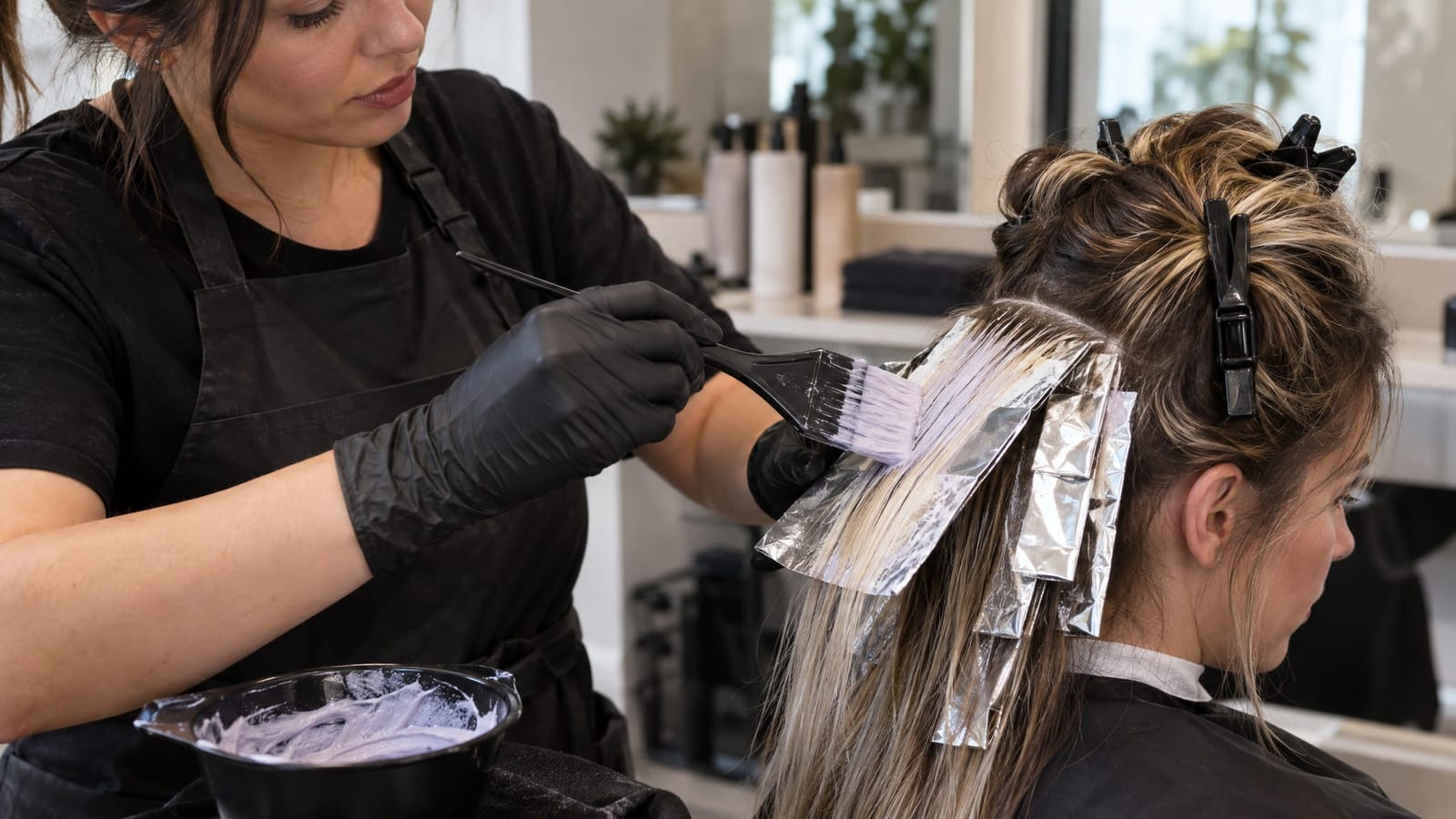
Color cleansing is a salon color-correction service that reduces unwanted artificial pigment in the hair. It can help when color looks too dark, has built up through repeated applications, or needs adjusting before a different shade.
It is not a routine requirement before keratin, Brazilian Blowout, hair Botox, or conditioning treatments. The deciding question is whether your existing color needs correcting, not simply whether you are having a treatment. Removing pigment adds another chemical step, so it needs a clear purpose.
What Does Color Cleansing Actually Do?
Color cleansing targets artificial hair color rather than everyday dirt, oil, or styling residue. The term describes a goal, not one universal formula. Depending on the dye involved and the desired change, a stylist may consider a color remover or a lightener-based cleansing formula.
These approaches are not interchangeable. Different dye types respond differently, and a lightener-based method can affect natural pigment as well as artificial color.
It helps to separate three services that can sound similar:
- Clarifying shampooing: Cleans away styling residue and excess oil. It is not a controlled color-correction method.
- Color cleansing: Reduces unwanted artificial pigment to prepare for a color adjustment.
- Conditioning or smoothing treatments: Address concerns such as roughness, manageability, or frizz, depending on the product. They do not replace color correction.
Color cleansing also does not automatically restore your natural shade. Earlier coloring or bleaching may already have changed the pigment underneath.
When Color Cleansing May Be Useful
The strongest reason to consider color cleansing is a mismatch between your current artificial color and the result you want.
Your lengths are darker than your roots
Repeatedly applying color through the lengths can leave the ends looking deeper than newer growth. If the goal is a more even shade, reducing excess pigment in selected areas may be more appropriate than applying another full layer of color.
You want a lighter result over previously colored hair
A lighter permanent color generally cannot reliably lighten existing artificial color. For example, moving from accumulated dark brown dye to a softer medium brown may require pigment reduction first. The condition of the hair and its color history determine how far that change can reasonably go.
An unwanted tone is getting in the way
Some unwanted tones can be balanced with a toner or gloss. Others need pigment reduced before a new shade can look right. Color cleansing is therefore one option, not the automatic answer to every warm, cool, or overly intense result.
If your color is already suitable and your main concern is dryness or frizz, a treatment may address that concern without color cleansing.
What Happens During Professional Color Cleansing?
The process is planned around the existing color, the condition of the hair, and the next service. It is not simply a stronger shampoo wash.
- Reviewing the hair’s history. Permanent color, direct dyes, previous bleach, henna, and earlier smoothing services can affect the plan. Darker ends and lighter sections may need different handling.
- Assessing condition and testing a section. A strand test before hair treatment helps show how a small section responds before a formula is applied more widely. It can inform both the expected color change and whether the approach is suitable.
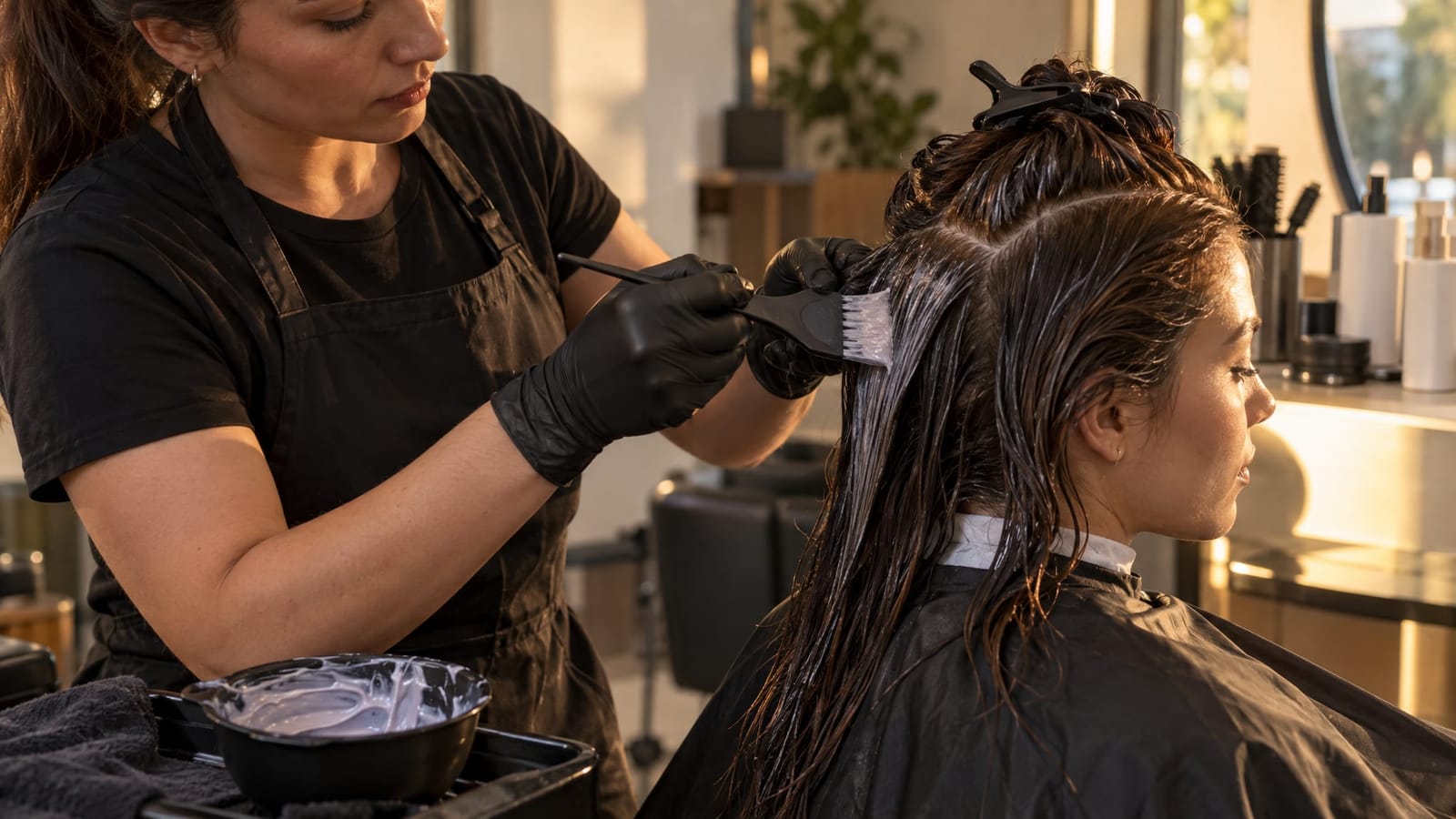
- Choosing the method and placement. The formula needs to suit the dye and the intended correction. Application may focus on areas with excess pigment rather than treating every strand alike.
- Reassessing after removal. Once the product is rinsed out according to its directions, the remaining color and hair condition guide the next step. That could mean toning, recoloring, conditioning, or postponing further chemical work.
The immediate result may look warmer or less polished than the intended finished shade. Pigment reduction and finished color are separate parts of the process.
How Does It Affect Hair Condition and Treatment Results?
Color cleansing can make a color correction more workable, but it is not a repair treatment. Chemical pigment removal can leave hair feeling drier or rougher, particularly when the hair has already been heavily processed. A lightener-based approach also carries a risk of further weakening fragile sections.
That creates an important tradeoff: a bigger color change may require more processing than the hair can comfortably tolerate. A smaller adjustment or a staged plan may be the more practical choice.
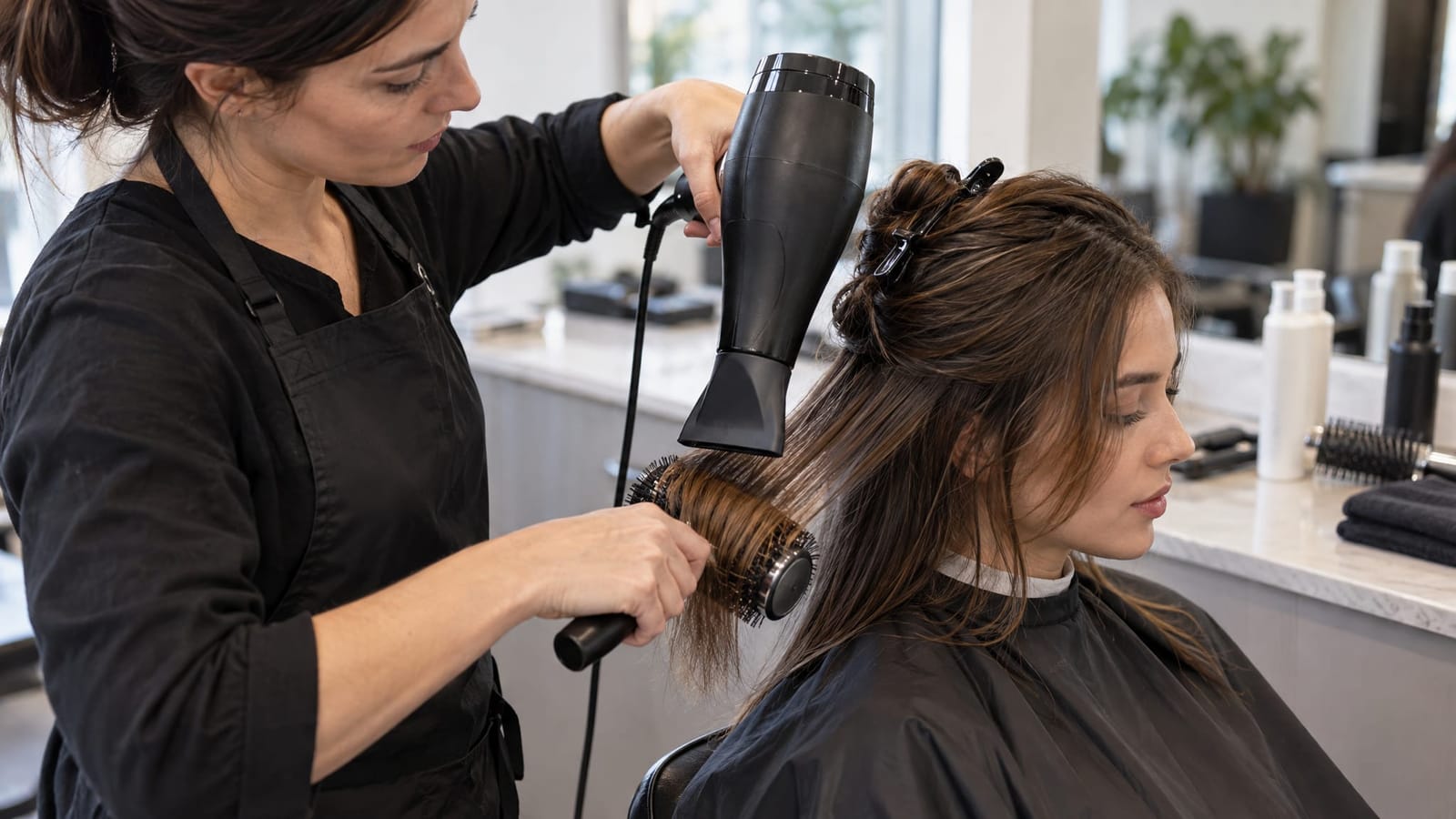
Conditioning afterward can improve softness and manageability, but it does not erase the effects of earlier processing. Smooth-feeling hair is not necessarily ready for another chemical service.
Before smoothing or conditioning services
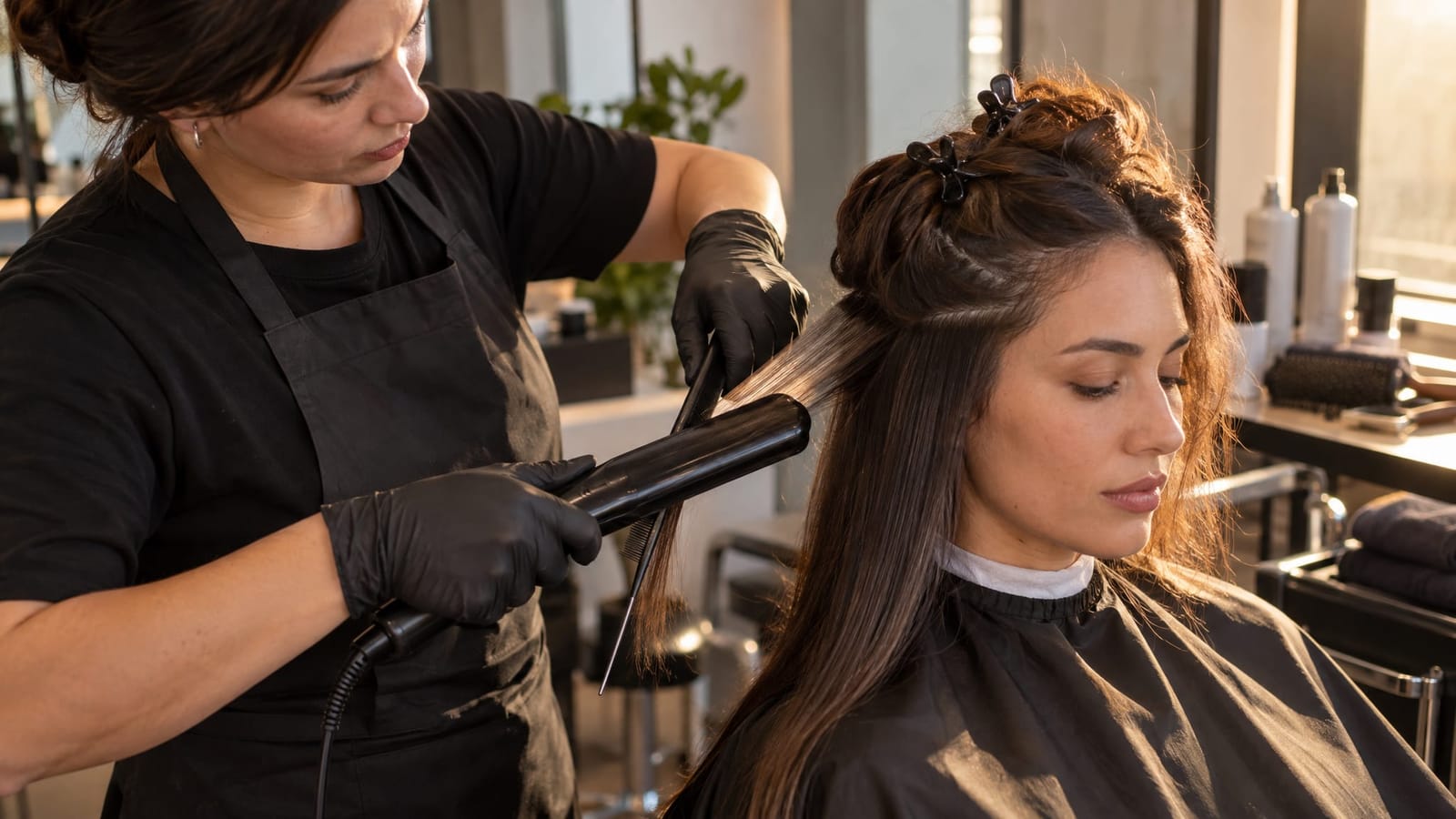
Keratin treatments, Brazilian Blowout, and hair Botox have different formulas and preparation requirements. Any cleansing step specified for a treatment is not automatically a color-cleansing service.
When color correction and smoothing are both part of the goal, their order depends on the exact products and the hair’s condition. Some services can affect the appearance of color, so there is no single sequence that suits every combination. Removing pigment unnecessarily does not make a treatment work better.
What to Discuss Before Choosing the Service
Bring a reference for the finished shade and describe what bothers you about your current color: darkness, unevenness, warmth, or something else. Include previous at-home coloring and chemical services, even when they were applied only to the ends.
At Rosée Atelier Beauty Salon in Miami, we offer color cleansing, hair color, keratin treatments, Brazilian Blowout, and hair Botox. Our team speaks English and Spanish, making it easier to explain your color history and treatment goals in the language you prefer.
Frequently Asked Questions
Does color cleansing have to cover all my hair?
No. If excess pigment is concentrated in the lengths or ends, targeted correction may be more appropriate. Treating already-light sections unnecessarily can create more unevenness.
Can I have new color applied the same day?
Sometimes. The decision depends on the cleansing method, the resulting shade, and the hair’s condition afterward. A same-day finish is not a reason to continue processing hair that is becoming fragile.
Will color cleansing remove gray hair?
No. It reduces artificial pigment, not naturally gray strands. Removing dye may reveal gray that was previously covered, which matters when planning the next color application.
The Key Decision
Color cleansing makes sense when unwanted artificial pigment blocks a color goal. It is not a default preparation for healthier-looking or smoother hair. The useful plan connects three things: the color you have, the result you want, and the processing your hair can tolerate.